
Community & Houses
Building lifelong friendships and virtuous leaders through our house system.
Intentional Community
The House System
At Oxford and Cambridge, your college is not where you take classes — it is where you belong. Students have lived, eaten, competed, and been formed within those colleges for nearly a thousand years. The genius of the system is not administrative; it is human. It answers a question every young person carries: Is there a place where I am known?
Chesterton Academy's House system draws on that same tradition. In an age when students can disappear into a crowd — even in a small school — the House ensures that every student has a team, a history, and an identity. It is not an extracurricular. It is the architecture of the school's culture.

Why Community Is Not Optional
Aristotle observed that "man is by nature a social animal" — and that a person who lives entirely apart from community is either a beast or a god, but not fully human. Virtue, he argued, is not an idea to be understood but a habit to be practiced: "We become just by doing just acts, temperate by doing temperate acts, brave by doing brave acts."
You cannot practice courage alone. You cannot develop loyalty without something to be loyal to. The House system provides the arena — real stakes, real relationships, real consequences — in which the virtues can be exercised daily, not just discussed in a classroom.
Intramural competition, shared victories and setbacks, mentorship across grade levels, and a reward structure that recognizes virtue as much as achievement — these are not decorative features. They are the method.
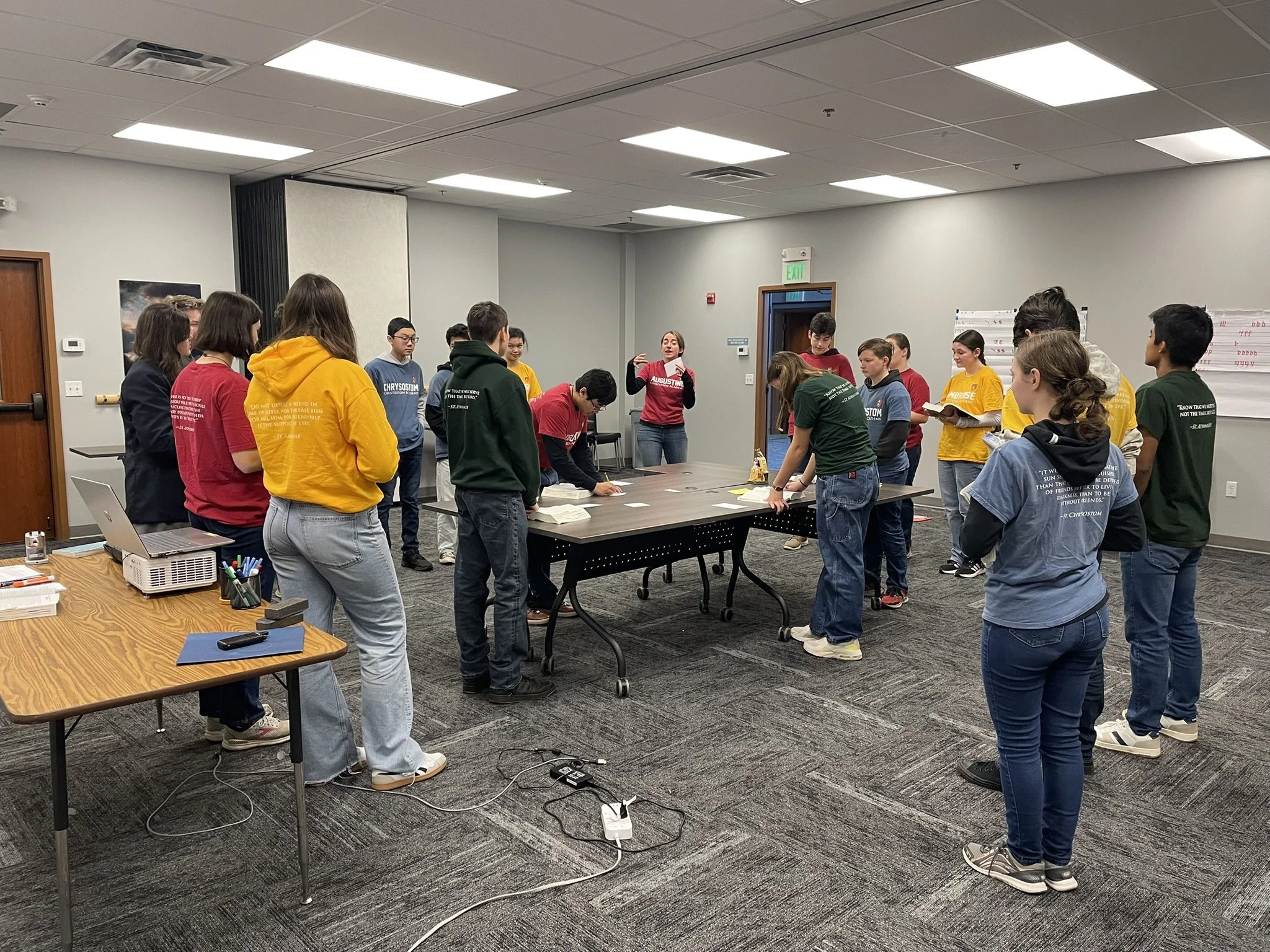
The Four Houses
Each student belongs to one of four Houses, named for great Doctors of the Church. Houses are more than teams — they are families within the school, shaping the culture of virtue, friendship, and healthy competition that defines life at CASM.
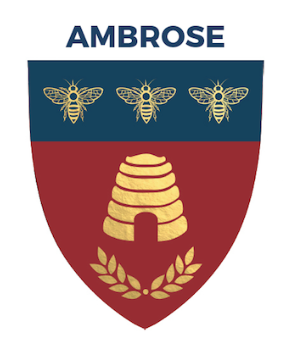
House Ambrose
St. Ambrose of Milan (c. 340–397) — Bishop, theologian, and Doctor of the Church, known for his courageous defense of orthodoxy and his influence on St. Augustine. House Ambrose carries the tradition of intellectual courage and pastoral care.

House Athanasius
St. Athanasius of Alexandria (c. 296–373) — "Athanasius contra mundum" — the great defender of Trinitarian faith who stood firm against the Arian heresy. House Athanasius embodies steadfast faith and the courage to stand for truth at any cost.

House Augustine
St. Augustine of Hippo (354–430) — Author of the Confessions and City of God, and one of the most influential thinkers in Western history. House Augustine carries his spirit of restless seeking — "Our heart is restless until it rests in Thee."
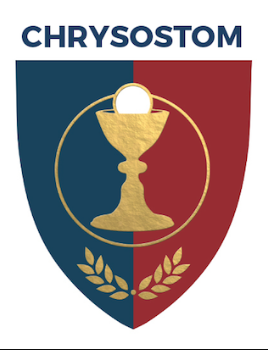
House Chrysostom
St. John Chrysostom (c. 347–407) — "Golden-Mouthed" preacher and Archbishop of Constantinople, celebrated for his eloquence and fearless proclamation of the Gospel. House Chrysostom is marked by the gift of communication and the courage of conviction.
Beyond the Classroom
Student life at CASM extends well beyond academics — through arts, athletics, service, and a rich sacramental life.